Exotic reptile care
Expert bearded dragon care, right here in Sherman Oaks.
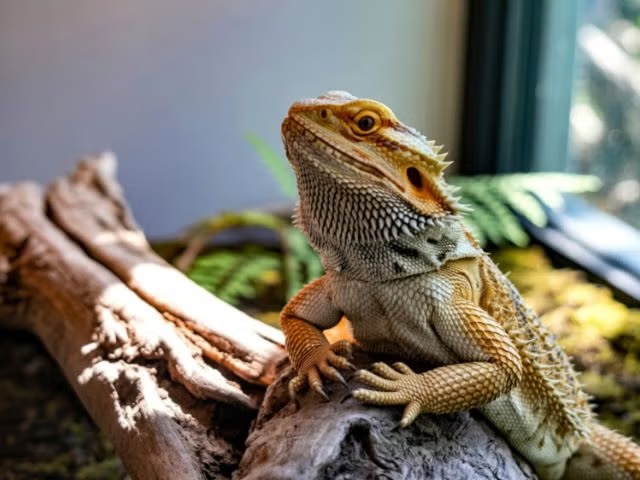
Bearded dragons are remarkable reptiles—calm, personable, and surprisingly attentive to their environment. But despite their easygoing reputation, they require precise, species-specific care to remain healthy. At Green Dog Dental & Veterinary Center, we provide expert, evidence-based guidance for every stage of bearded dragon ownership, from proper habitat design to nutrition, hydration, wellness exams, and early detection of illness.
Whether you're new to reptile care or already a seasoned keeper refining your husbandry practices, our team delivers advanced reptile veterinary support right here in Sherman Oaks, CA. We understand exactly what these desert-origin lizards need—strong UVB output, correct temperature gradients, balanced diets, and careful observation of subtle behavioral cues.
Veterinary Care
Do bearded dragons need a vet?
Absolutely. Regular veterinary care is essential for identifying nutritional imbalances, parasites, metabolic bone disease (MBD), and early shifts in weight or behavior that may signal deeper health issues. Annual wellness exams with a reptile-experienced veterinarian help ensure that your dragon's husbandry, growth, and diet remain on track year after year.
If you're searching for a reliable bearded dragon vet in Sherman Oaks, CA, our team at Green Dog Dental & Veterinary Center is equipped to support dragons of all ages—babies, juveniles, and adults.
Species & Morphs
Types of bearded dragons
There is one primary species kept as pets—the Central Bearded Dragon (Pogona vitticeps)—but a wide variety of morphs exist, ranging in color, pattern, and scale type.
- Smallest species: Pygmy Bearded Dragon (Pogona henrylawsoni)
- Largest species: Central Bearded Dragon (Pogona vitticeps)
- Common morphs: Leatherback, silkback, hypomelanistic, translucent, dunner, and more.
These morphs differ in appearance, not in husbandry requirements, making proper care universally important across all types.
Husbandry guide
What they need to thrive
Habitat
Bearded Dragon Habitat Requirements
Correct habitat setup is crucial—not optional. A poorly maintained environment is the fast track to metabolic bone disease, respiratory illness, and behavioral stress.
A proper enclosure includes:
- 40–120 gallon terrarium (adult size)
- Basking bulb + UVB tube lighting (UVA recommended as well)
- Temperature gradient: 95–110°F basking / 75–85°F cool side
- Humidity: 30–40%
- Safe substrate: tile, reptile carpet, or paper—not sand
- Environmental enrichment: branches, hides, rocks, sturdy décor
- Shallow water dish for drinking and humidity stability
Bearded dragons sleep 8–12 hours at night and prefer hammocks, hides, or branches for resting. Their lights must be turned off at night—darkness is necessary for proper sleep cycles.
UVB & Lighting
UVB & Lighting Essentials
A strong UVB source is non-negotiable. The ideal setup is a 10.0 T5 high-output UVB tube spanning at least half the tank, combined with UVA and appropriate basking heat.
UVB supports digestion, energy levels, bone health, and calcium metabolism. Without it, dragons rapidly develop severe, irreversible conditions such as MBD.
Handling & Housing
Handling & Housing Behavior
Most bearded dragons tolerate gentle handling well, and many enjoy being held once they bond with their owner.
- Slide your hand under the chest.
- Support both the belly and tail.
- Never grab from above—this triggers a fear response.
Bearded dragons must live alone. Co-housing leads to stress, fights, and injuries, even in seemingly peaceful pairs.
Diet & Feeding
Diet & Feeding Guide
Bearded dragons are omnivores, but their nutritional needs change dramatically with age.
Baby Dragons (0–5 months)
- 70–80% insects
- 20–30% greens/vegetables
- 20–60 small crickets per day, split into multiple feedings
Juveniles
- 50% insects
- 50% vegetables
Adults
- 70–80% vegetables
- 20–30% insects
Greens/Veggies (daily)
- Collard greens
- Mustard greens
- Turnip greens
- Squash, zucchini
- Green beans
- Bell peppers (moderation)
Fruits (treats only)
- Strawberries, blueberries, raspberries, blackberries
- Apples (peeled)
- Mango
- Watermelon, cantaloupe
- Pineapple
- Oranges (rarely)
Insects
- Crickets
- Dubia roaches
- Worms (superworms, mealworms sparingly)
- Hornworms, calci-worms
Foods to Avoid
- Avocado
- Rhubarb
- Fireflies
- All processed human food
Dragons drink from bowls, from droplets on décor, and absorb moisture from vegetables. Hydration is a key part of preventing impaction, overheating, and lethargy.
Behavior & Lifespan
Shedding, Behavior & Lifespan
- Shedding: Babies shed frequently; adults shed several times per year.
- Lifespan: 10–15 years in captivity.
- Noise/smell: They rarely make noise and typically have no odor if the enclosure is kept clean.
- Color change: They may darken when cold or stressed; lighten when warm or relaxed.
Bearded dragons also have a parietal "third eye" that detects light and overhead movement—a survival adaptation from their wild desert habitat.
Reproduction Facts
- Eggs per clutch: 15–30
- Fertility signs: white, firm eggs with visible veins when candled
- Unfertilized eggs: dispose of them—they will not develop
- Age dragons stop laying: ~4–6 years old
Health & illness
Common health concerns, in detail.
Dragons can develop a wide range of medical conditions—some of which require urgent care. Our team at Green Dog Dental & Veterinary Center uses physical exams, fecal testing, bloodwork, X-rays, ultrasound, and cultures or biopsy to reach an accurate diagnosis.
Conditions We Diagnose & Treat
Bearded dragons can develop a wide range of medical conditions. Common illnesses include yellow fungus disease, metabolic bone disease, parasites/worms, constipation/impaction, hypercalcemia, heatstroke, respiratory infections, diarrhea/vomiting, eye/ear infections, fungal infections, abscesses, adenovirus, scale rot/mouth rot, seizures, prolapse, dehydration, coccidia, and cancer.
Signs Your Dragon Needs a Vet Visit
Bring your dragon in if they stop eating or drinking, produce watery stool, show respiratory effort, become lethargic, have visible injuries, or appear stressed or ill.
Seek Immediate Veterinary Care
Emergency signs include a baby not eating for 48 hours, exposure to temperatures below 60°F, prolapse, seizures, significant trauma, and labored breathing. Prompt veterinary evaluation prevents minor issues from escalating into life-threatening conditions.
Online PharmacyNow booking
Schedule bearded dragon care in Sherman Oaks, CA.
If your bearded dragon needs a wellness exam or urgent care, Green Dog Dental & Veterinary Center is here to help. Our exotic pet services are available at our Sherman Oaks location — new patients are welcome. Call or text (310) 606-2407, or book online.